Best TVs (2026), Ranked by Evidence Score
The best TVs we have reviewed in 2026, from reference OLED panels to value picks worth buying. Every set is scored against its real-world price tier on capability, user sentiment, and competitive position. (CCO to expand to 150-200 words.)
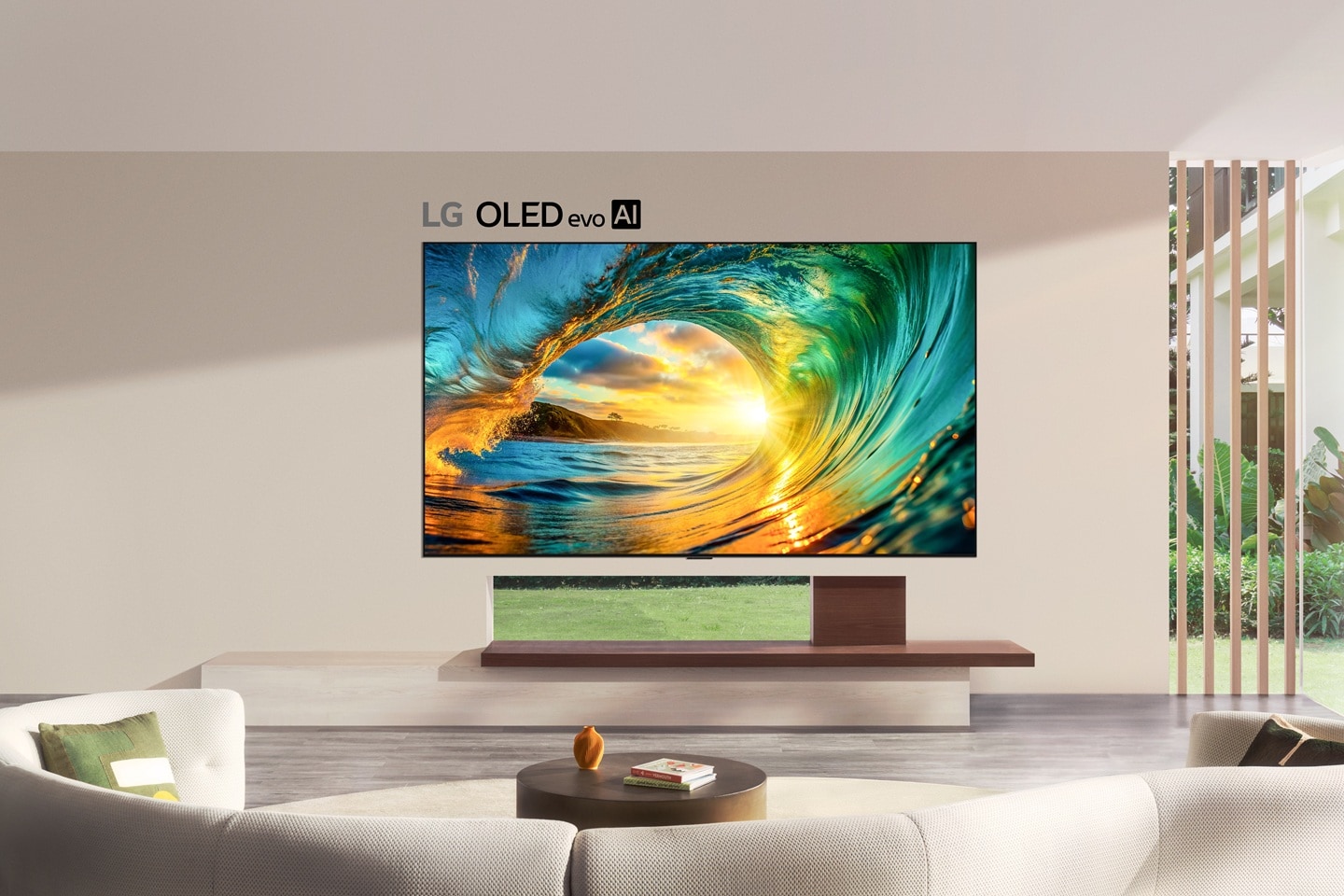
LG G6 OLED Adds Primary RGB Tandem 2.0 Panels and 4,500-Nit HDR Peak, the Reference 4K TV in 2026
Pros
Cons
LG G6 OLED 65-inch: Primary RGB Tandem 2.0 panel, 4,500 nits HDR peak, alpha-11 AI chip, 165 Hz native, Dolby Vision, NVIDIA G-Sync, MLA-free design.
LG C6H Brings Primary RGB Tandem 2.0 OLED to 77 and 83 Inch Sizes for $3,699 and Up
Pros
Cons
LG C6H OLED TV uses Primary RGB Tandem 2.0 panel with 3.2x brightness boost. 77-inch $3,699, 83-inch $5,299. How it compares to the standard C6 WOLED.
Hisense UR9 Brings RGB Mini-LED to 65-Inch 4K at $3,500, Targeting 100% BT.2020

Pros
Cons
Hisense UR9 is a 4K RGB MiniLED TV claiming 100% BT.2020 color gamut. 65-100 inch, $3,499-$8,999. Pre-orders open, broad launch April 23, 2026.
LG C6 OLED Is the 2026 Flagship That Should Probably Be a C5 Price Cut
Pros
Cons
LG C6 OLED 2026 brings Alpha 11 AI Gen3, 165Hz gaming, webOS 26, and a marginal brightness bump. $1,399 and up. Why the C5 might still be the smarter buy.
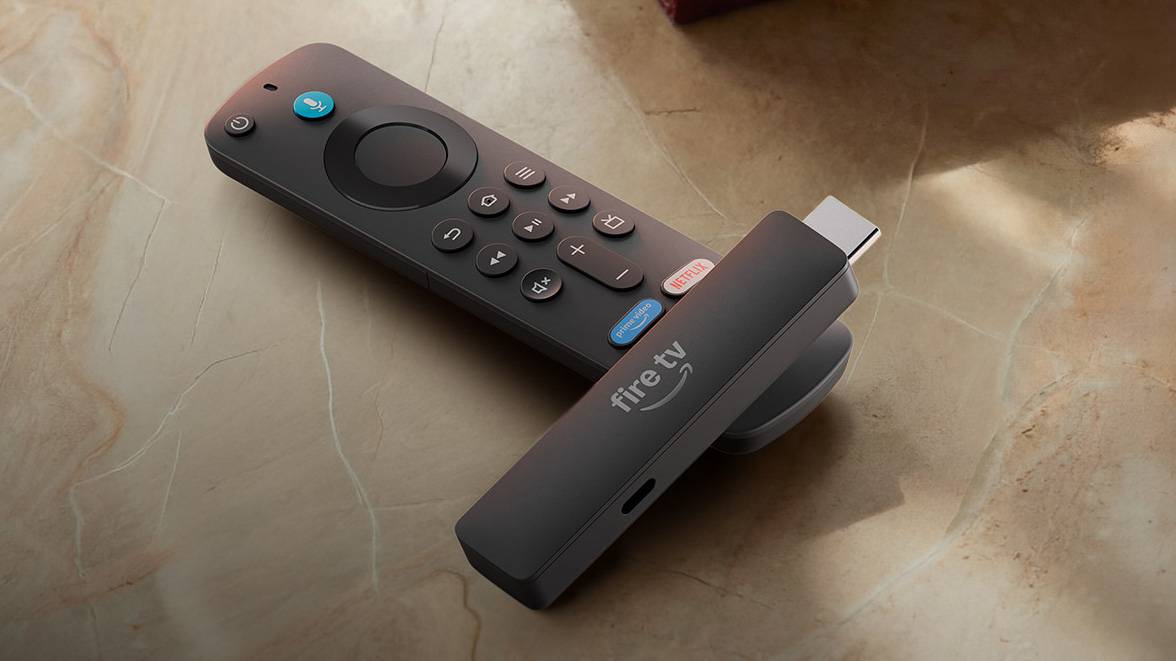
Amazon's New Fire TV Stick HD Is 30% Faster and 30% Slimmer, with Vega OS Killing Sideloading
Pros
Cons
Amazon's $35 Fire TV Stick HD runs Linux-based Vega OS, pulls power from TV USB, is 30% faster. Trade: Vega OS ends sideloading and external USB storage.
Which should you buy?
Top of each list is the score-leading pick at its price tier. Read each individual review for full sub-score evidence, sources, and the columnist's verdict.
See our [scoring methodology](/standards) for how every score is computed.