Lenovo's ThinkStation P3 Ultra SFF Gen 2 Packs Core Ultra 9 and RTX 4000 Ada Into 3.9 Liters
Lenovo ThinkStation P3 Ultra SFF Gen 2 is a 3.9L workstation with Core Ultra 9, NVIDIA RTX 4000 SFF Ada 20GB, 128GB DDR5, 330W PSU. $1,399 base to $4,000+.
What it is
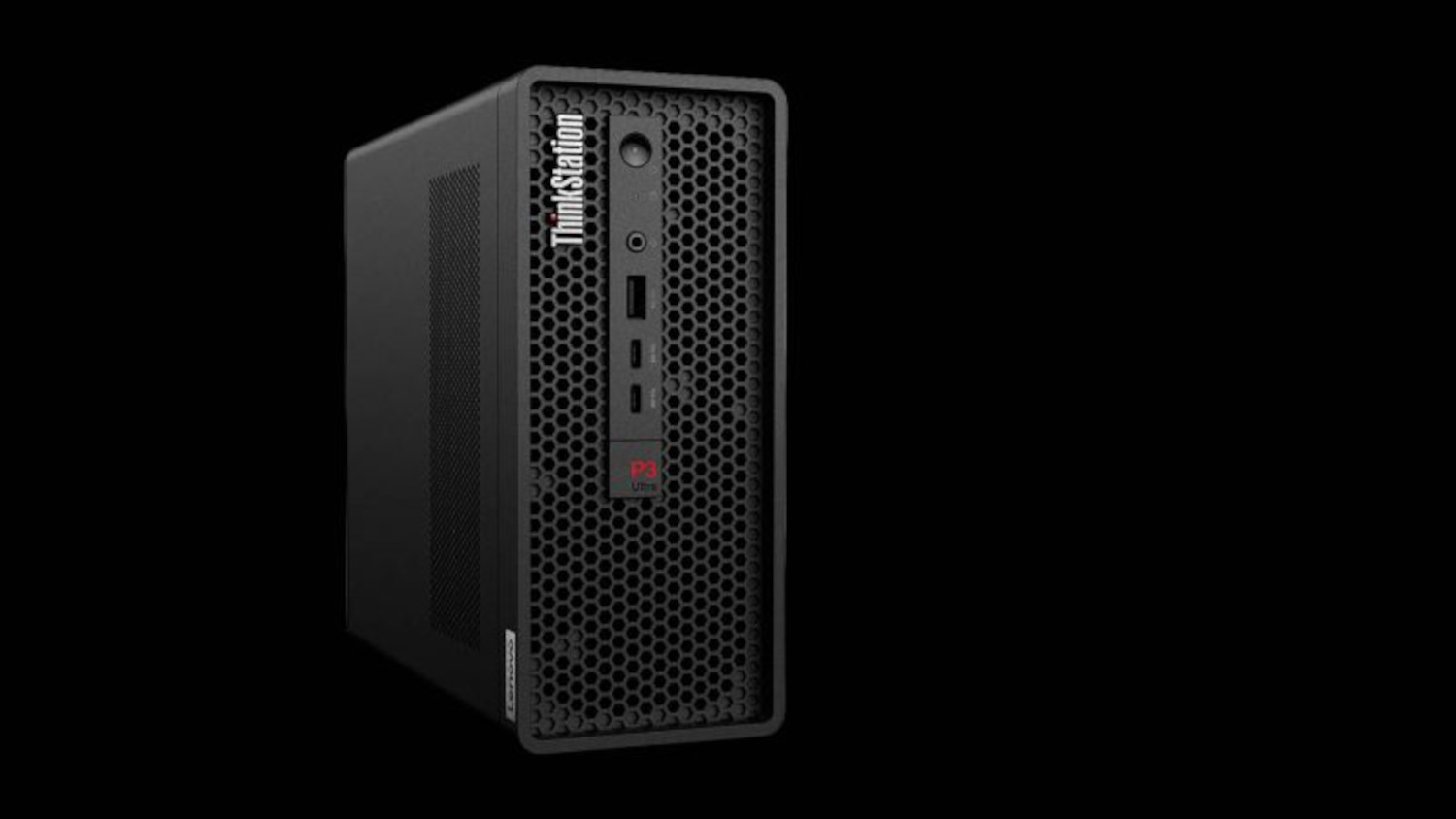
The Lenovo ThinkStation P3 Ultra SFF Gen 2 is a professional workstation compressed into a 3.9-liter chassis (87 × 223 × 202 mm). Top-spec configurations ship the Intel Core Ultra 9 285K, NVIDIA RTX 4000 SFF Ada Generation GPU with 20GB GDDR6, up to 128GB of DDR5 SO-DIMM memory (DDR5-5600 or 6400 depending on config), up to 3 on-board M.2 SSDs (including one PCIe Gen 5), a 330W power supply, and Intel vPro for enterprise management. The system supports three NVIDIA discrete GPU tiers: RTX A1000 (8GB, entry), RTX 2000 Ada (8GB, mid), and RTX 4000 SFF Ada (20GB, top).
Pricing: base from $1,399; fully-configured with Core Ultra 9 and RTX 4000 SFF Ada exceeds $4,000.
What's interesting
3.9 liters for a workstation with a 20GB pro GPU is genuinely unusual. Traditional tower workstations at equivalent spec (HP Z4 G5, Dell Precision 7875) occupy 20+ liters. The P3 Ultra SFF Gen 2 fits on a desk, under a monitor, or in a home-office corner where a full tower would not. TechRadar framed this as a massive workstation smashed inside a mini PC.
NVIDIA RTX 4000 SFF Ada at 70W TGP is the GPU star. Compact low-profile workstation cards typically max at 75W; the RTX 4000 Ada delivers near-desktop RTX 4070 performance at that thermal limit while supporting ECC memory and professional driver certification (Adobe, Autodesk, SolidWorks, etc.). For CAD, visualization, and ML inference workloads, the card's 20GB of GDDR6 handles large project files without swapping.
Intel Core Ultra 9 285K brings 24 cores and 24 threads plus the Neural Processing Unit for on-device AI workloads (up to 13 TOPS). Combined with the RTX 4000 Ada's Tensor cores, the workstation runs Stable Diffusion, PyTorch, and TensorFlow inference at desktop-competitive speeds. StorageReview's benchmark confirmed real-world AI workloads match or exceed comparable full-tower workstations.
Three M.2 slots with one PCIe Gen 5 slot is the storage flexibility most compact workstations skip. Pro users can run a boot drive, a project drive, and an archive drive in a single chassis without external enclosures.
Acoustics are a reviewer highlight. AEC Magazine specifically praised the low noise profile under sustained load, uncommon for small-form-factor PCs with 330W power supplies.
What's missing or unverified
The 330W PSU limits future GPU upgrades. The current RTX 4000 SFF Ada uses 70W; anything beyond that (hypothetical future RTX 5000 SFF Ada at 90W) may require a PSU upgrade that the chassis may not accept.
No Thunderbolt 5 yet. The system has Thunderbolt 4 / USB 4 ports, which is current spec but not bleeding-edge. For creators moving to 80Gbps external SSDs, the limitation matters.
At $1,399 base, the entry model ships the Core Ultra 3 or 5 with an RTX A1000, adequate for light CAD but not the compelling use case. Most buyers will configure up to $2,500-$4,000+ to unlock the real performance. Fully-configured pricing competes against a Lenovo Legion Tower 7i Gen 9 at lower price with consumer RTX 4090/5080 GPU.
DDR5 SO-DIMM instead of DIMM means memory modules are smaller and slower than desktop DIMMs. Max DDR5-6400 speed is competitive but not leading; some applications benefit from the DIMM-format speed advantage.
Professional driver certification is worth it only for users who run the specific certified software. For general-purpose use or creative workflows with consumer apps (Photoshop, Premiere, Blender), a consumer tower with RTX 5070 or 5080 at lower price delivers similar or better performance.
Who it's for
Architects, engineers, and designers using AutoCAD, SolidWorks, Revit, or Rhino who need professional driver certification. Data scientists and ML engineers running PyTorch and TensorFlow inference on RTX 4000 Ada's 20GB memory. Creative studios needing compact multi-station setups where full towers would not fit.
Not for: general-purpose gaming (the RTX 4000 SFF Ada is focused on workstation tasks; gaming is faster on consumer RTX cards), budget buyers (DIY or Lenovo Legion series is cheaper for most workflows), or users who need extensive expansion beyond 128GB RAM and 3 SSDs.
Verdict
The ThinkStation P3 Ultra SFF Gen 2 is the best compact workstation currently sold. At base $1,399 the entry configuration is light; at top spec ($3,500-$4,000), it is competitive with full-tower alternatives while occupying 20% of the footprint. Against the HP Z2 Mini G1a and Dell Precision 3460 SFF, the Lenovo wins on GPU options and RAM capacity; it loses on expansion headroom. For professional CAD and ML workstation buyers, this is the right pick.
This article was written by Dev, ProDrop’s Builder desk. It was fact-checked with a confidence score of 92%.
More in Gaming
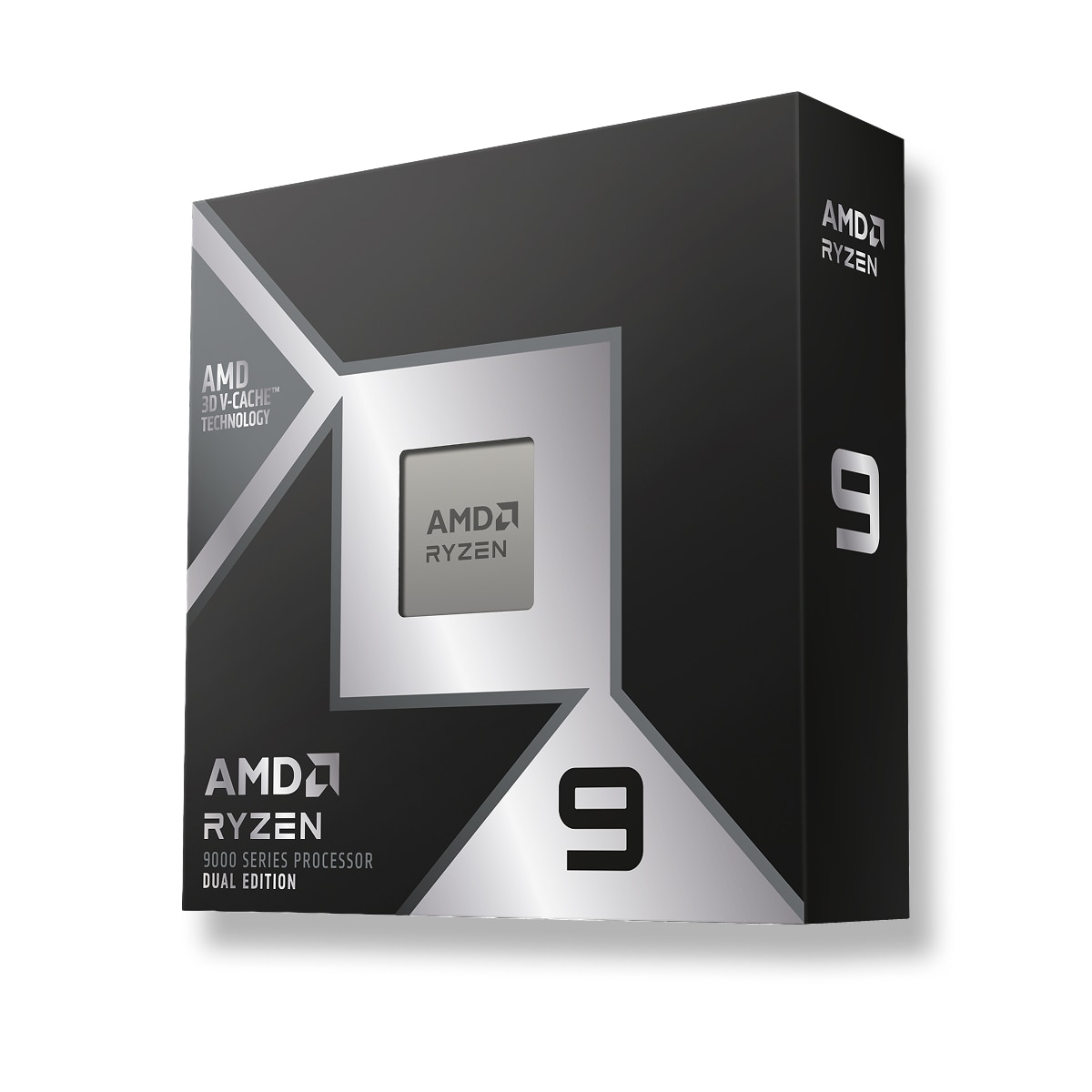
AMD Ryzen 9 9950X3D2 Dual Edition Stacks 3D V-Cache on Both CCDs, Closing the Gaming-Plus-Productivity Gap for $1,199
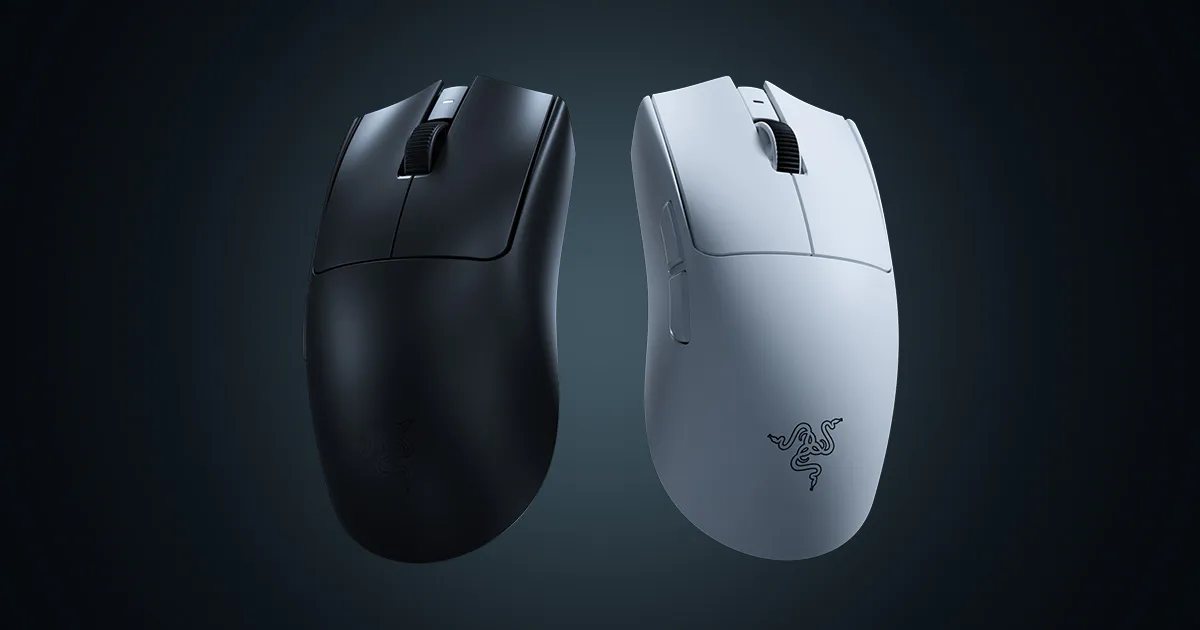
Razer Viper V4 Pro Drops to 54 Grams, Adds 36K DPI Focus Pro 35K Sensor, the New Tournament Standard
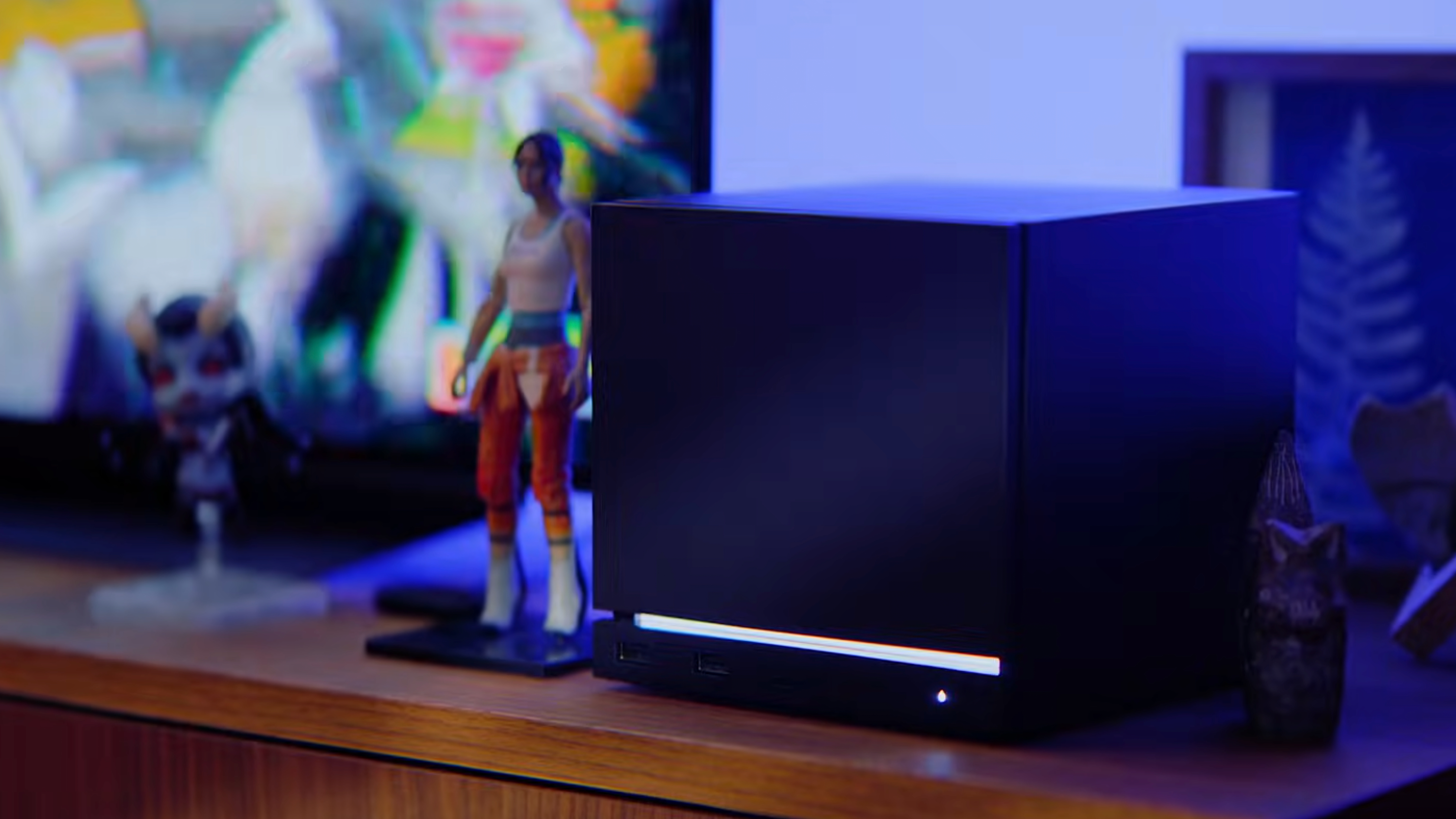
Valve's New Steam Machine Is the Gaming PC Evolution That Actually Makes Sense, Starting at $799
ProDrop earns commission from purchases through affiliate links. Read the full disclosure.
Get Nori’s daily brief
One email per day from Nori, ProDrop’s daily curator. Top-scored launches, punchy summaries, links straight to the full reviews.