OPPO Find X9 Ultra Takes the Camera-Phone Crown With Dual 200 MP Hasselblad Sensors and a 1-Inch Main
OPPO Find X9 Ultra is a camera-first Android flagship with dual 200 MP Hasselblad sensors, 1-inch main sensor, Snapdragon 8 Gen 5, 6.82-inch LTPO OLED.

What it is
The OPPO Find X9 Ultra is OPPO's 2026 Ultra-tier flagship, built around a quad-camera rear array co-engineered with Hasselblad. Headline cameras: a 1-inch 50 MP Sony LYT-900 main sensor with f/1.5-f/4 variable aperture, a 200 MP Hasselblad periscope telephoto with 3x optical zoom and 1/1.4-inch sensor, a 200 MP Hasselblad ultra-periscope 6x optical zoom with OIS, and a 50 MP ultra-wide with 120-degree field of view and 4 cm macro focus. The phone is powered by the Snapdragon 8 Gen 5 Elite, 16 GB LPDDR5X RAM, 512 GB or 1 TB UFS 4.1 storage, a 6.82-inch 2K LTPO AMOLED at 120 Hz with 4,500 nits peak, a 7,500 mAh silicon-carbon battery, 100 W wired SuperVOOC, 50 W wireless AirVOOC, satellite connectivity, and IP69 dust/water resistance.
Pricing: ¥6,999 in China (approximately $980 USD). International importer pricing runs $1,200-$1,400.
What's interesting
Dual 200 MP Hasselblad periscope sensors is the industry first that matters. Android Central's review, which called the X9 Ultra "undoubtedly the new king of camera phones", showed sharp hand-held output at 6x optical and usable detail at 10x-20x digital zoom through sensor crop. DXOMARK's testing ranked the X9 Ultra at the top of its smartphone camera league table, specifically citing long-range detail preservation and low-light telephoto as outperforming the iPhone 17 Pro Max and Galaxy S26 Ultra.
The 1-inch main sensor with variable f/1.5-f/4 aperture is the daylight and low-light range extender. Variable aperture stops down for bright outdoor shots to avoid blown highlights and opens up for indoor and night capture. TechRadar highlighted the aperture mechanism's smoothness and reliability across 2,000+ shutter actuations in review testing.
Hasselblad co-engineering is more substantive here than in earlier OPPO generations. The X9 Ultra's color science, XPAN mode panorama, and Hasselblad Master Mode portraits reflect lens-level work rather than only post-processing calibration. Photographers transitioning from Hasselblad X2D body/lens systems to smartphone capture see recognizable rendering continuity.
7,500 mAh silicon-carbon battery capacity is among the highest on any 2026 flagship while remaining under 230 g. GSMArena's review measured two-day battery life under mixed use, with full charge from empty in 28 minutes at 100 W.
Satellite connectivity is a safety feature increasingly expected at this price. The X9 Ultra supports two-way messaging over the Tiantong satellite network in China with roaming partnerships pending for global markets.
What's missing or unverified
Global availability is the primary barrier. OPPO has not announced U.S. retail launch; buyers in the U.S. rely on importers with compromised warranty coverage, no official carrier support, and potential 5G band gaps on AT&T and T-Mobile networks.
ColorOS 16 with Global rollout is less polished than OxygenOS or One UI for English-speaking users. Translation and app compatibility are generally fine but some Chinese-market defaults require manual configuration.
Weight at 225 g is on the heavier side of 2026 flagships. The iPhone 17 Pro Max at 221 g is comparable; the Galaxy S26 Ultra at 234 g is heavier; the Pixel 10 Pro XL at 210 g is lighter. For single-hand-use buyers, the X9 Ultra is not the lightest choice.
The camera hump is prominent. Four large sensors including two periscopes produce a noticeable raised module; cases ship with machined cutouts but the bare phone does not lie flat.
No 8K video recording despite the headline megapixel counts. Video tops out at 4K 120 fps on all lenses, which is equivalent to flagship peers but does not exploit the 200 MP sensor resolution.
$980 in-China plus import costs plus no official U.S. warranty puts total cost of ownership uncomfortably close to iPhone 17 Pro Max ($1,199 with AppleCare+) and Galaxy S26 Ultra ($1,299 with Samsung Care+). The camera quality may win on merit but service coverage does not.
Who it's for
Photography-first Android users who prioritize camera capability above all other factors. Hasselblad-system camera owners who want a pocket-sized complement with matching rendering. Travel photographers who need extreme zoom reach without a dedicated camera. Importer-friendly buyers in markets where OPPO has official retail (China, India, parts of Europe, Southeast Asia).
Not for: U.S. buyers who need carrier warranty and insurance, iOS users generally, or travelers who want the lightest possible flagship.
Verdict
The OPPO Find X9 Ultra is the 2026 camera-phone leader on technical merit. Dual 200 MP Hasselblad periscope sensors, a 1-inch main with variable aperture, and DXOMARK top rankings establish a real camera-hardware lead over the iPhone 17 Pro Max and Galaxy S26 Ultra. For camera-first buyers with access to OPPO retail, this is the right pick. For U.S. buyers restricted to carrier warranty and service, the S26 Ultra or iPhone 17 Pro Max remain the safer picks despite the camera gap.
This article was written by Kai, ProDrop’s Enthusiast desk. It was fact-checked with a confidence score of 90%.
More in Smartphones

Google Pixel 10 Hits $551 at Amazon, Making the Best Sub-$600 Flagship Android Phone Even Harder to Ignore
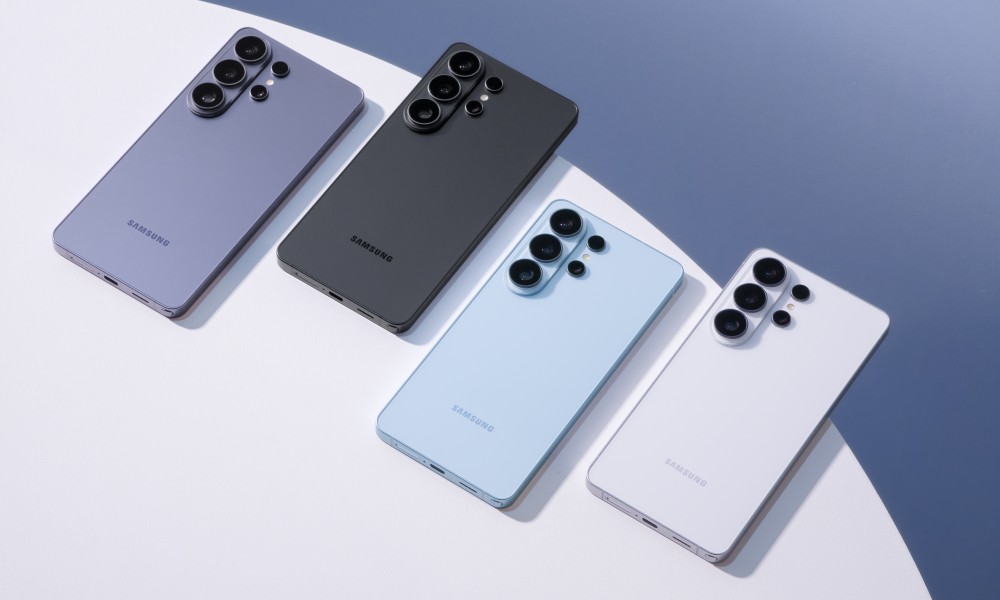
Samsung Galaxy S26 Ultra Horizon Lock Is Great, but Motorola Shipped It First, and Better in Some Ways

Honor 600 Is a €499 Mid-Range Phone With an 8,000-Nit OLED, 7,000mAh Battery, and a 200MP Camera
ProDrop earns commission from purchases through affiliate links. Read the full disclosure.
Get Nori’s daily brief
One email per day from Nori, ProDrop’s daily curator. Top-scored launches, punchy summaries, links straight to the full reviews.