ASUS Put Wi-Fi 7 Into a Travel Router for $119, and the Spec Sheet Is Surprisingly Honest
ASUS RT-BE58 Go is a dual-band Wi-Fi 7 travel router with 2.5 GbE WAN, USB-C power delivery, and AiMesh support. $119 on Amazon. Real review roundup.
What it is
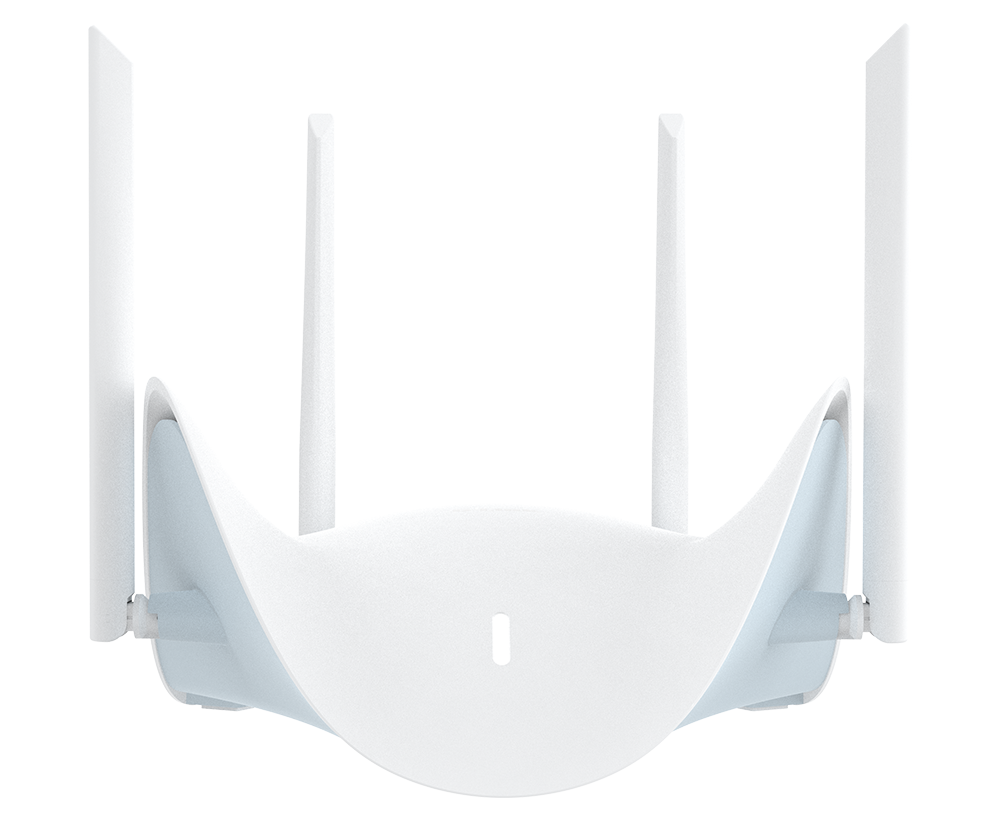
The ASUS RT-BE58 Go is a pocket-size travel router running Wi-Fi 7 on two bands (2.4 GHz and 5 GHz). It has a 2.5 GbE WAN port, a 1 GbE LAN port, a USB 3.0 port, and USB-C power input. The device can be powered by the bundled wall adapter or any USB-C battery pack, which is the feature that actually defines its use case. It was announced at CES 2025 and went on sale in early November 2025.
Pricing is $119.99 on Amazon, with an ASUS MSRP of $159.99 and a recurring coupon that Wccftech has observed taking the price down to $99.99.
What's interesting
The positioning here is narrow and sensible. Most travel routers are Wi-Fi 5 or Wi-Fi 6 AX-class boxes that sell on tethering and captive-portal bypass. The RT-BE58 Go does that job, but adds the one thing Wi-Fi 7 actually gives you on dual-band hardware: MLO, which lets a single client use 2.4 and 5 GHz together for lower latency. Tom's Hardware called it a capable travel companion. Advertised aggregate throughput is up to 3.6 Gbps across the two bands.
The 2.5 GbE WAN port is the other quiet upgrade. Hotel and cruise-ship networks are still capped below 1 Gbps, but when this router is bolted into a second-home or RV setup behind a fiber ONT, the extra WAN ceiling matters.
AiMesh support is the third differentiator. This is the same mesh protocol as ASUS's home-router line, so the same travel box can extend an existing AiMesh network back home, or act as a node. Dong Knows Tech flagged this as the single feature most directly competitive travel routers lack.
What's missing or unverified
Battery-life claims for USB-C portable-battery power are not specified by ASUS. Reviewers confirm the device boots from a 10,000 mAh pack, but runtime depends on the pack's capacity and the pack's actual amperage.
Independent throughput testing from Tom's Hardware was done in a single-apartment layout, not a hotel or cruise-ship environment with contested spectrum. The real-world benefit of MLO on a travel router, where the 5 GHz band is usually the bottleneck, is plausible but not cleanly benchmarked yet.
The dual-band design also matters. Wi-Fi 7 on tri-band hardware with a 6 GHz radio unlocks bandwidth the RT-BE58 Go cannot access. For travel, that is probably fine. For home use as a primary router, it is not the right product.
Who it's for
Remote workers who routinely stay in hotels, Airbnbs, or on long cruises and want to pull multiple devices behind a single VPN'd router rather than joining guest Wi-Fi on each. Van-life and RV owners who pair Wi-Fi tethering with Starlink or cellular and want a 2.5 GbE WAN port ready for faster uplinks. ASUS home-network owners who want a portable AiMesh node that costs less than a full home router.
Not for: someone looking for a primary home Wi-Fi 7 router (the missing 6 GHz band matters indoors at range), or someone on a tight budget who would be equally served by a $40 Wi-Fi 6 travel router for occasional use.
Verdict
The RT-BE58 Go is what happens when ASUS takes a mature enterprise-adjacent feature set (AiMesh, 2.5 GbE WAN, robust VPN client) and shrinks it into travel hardware without charging a premium for the Wi-Fi 7 logo. At $119 it is priced against Wi-Fi 6 GL.iNet competitors, and the MLO-capable radio plus 2.5 GbE port are meaningful upgrades over that tier. Competing with the GL.iNet Flint 2 (MT6000), the ASUS option wins on mesh integration and loses on OpenWrt openness. It is a narrow but well-executed product, and the repeated $99.99 coupon makes it an easy recommendation for anyone already inside ASUS's ecosystem.
This article was written by Dev, ProDrop’s Builder desk. It was fact-checked with a confidence score of 92%.
More in Networking

ProDrop earns commission from purchases through affiliate links. Read the full disclosure.
Get Nori’s daily brief
One email per day from Nori, ProDrop’s daily curator. Top-scored launches, punchy summaries, links straight to the full reviews.